My Daughter’s Teacher Has Been Bullying Her For Months And The Principal Won’t Do Anything
My eight-year-old daughter started begging me not to make her go to school.
At first, I thought she was going through a phase.
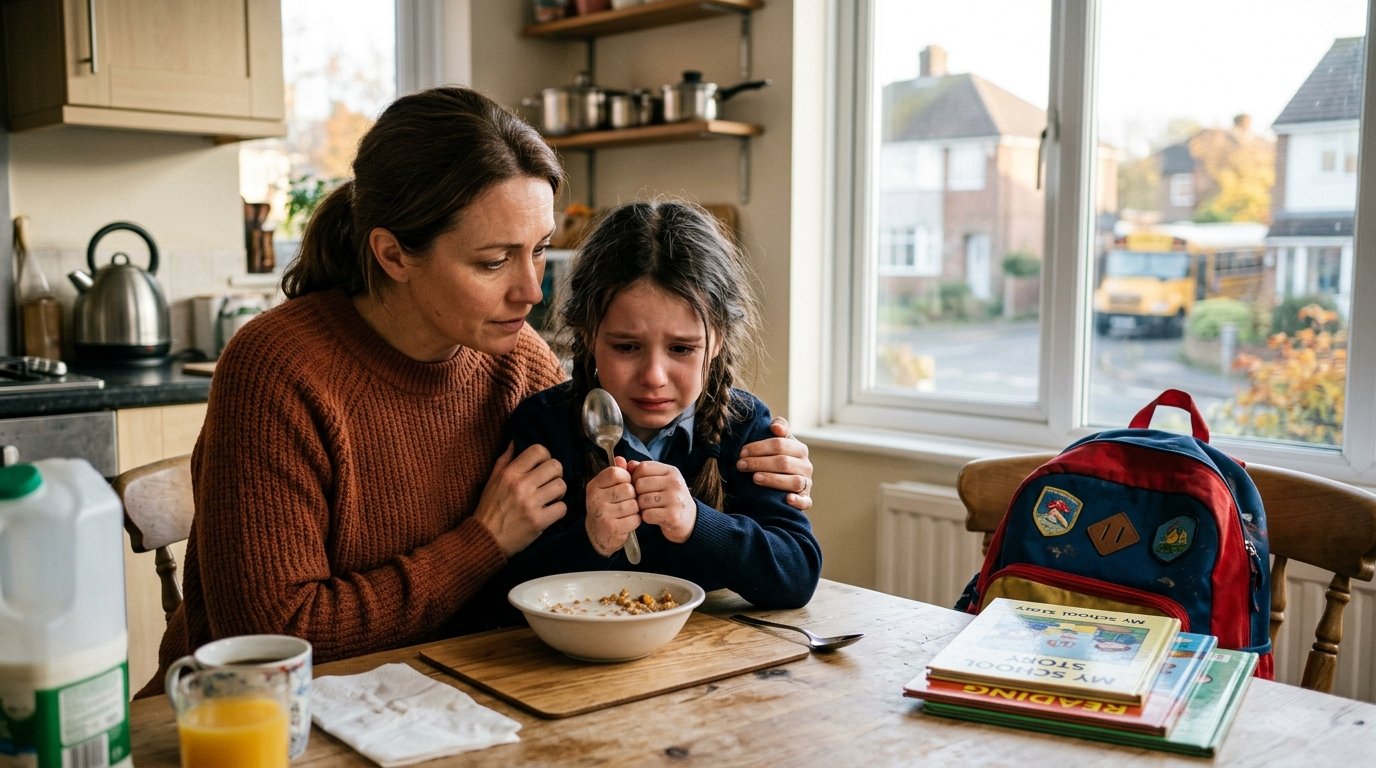
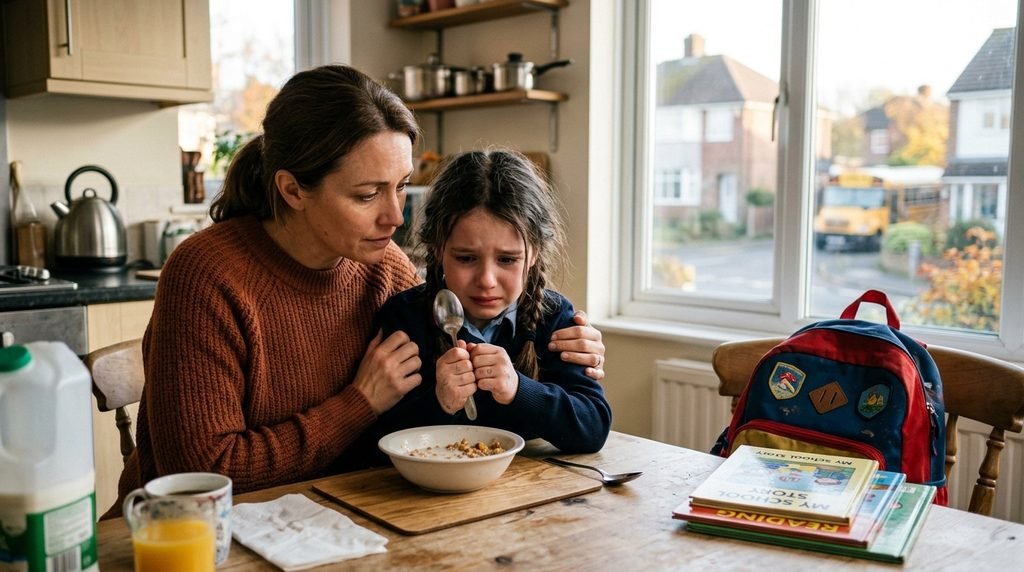
Then one morning, she had what looked like a panic attack at the breakfast table.
She was shaking so badly that she couldn’t hold her spoon.
I asked her what was wrong.
She kept saying:
“I don’t want Mrs. Carter to be mad at me.”
That was the moment I knew this wasn’t normal school anxiety.
My daughter, Lily, had always loved school.
She was the kid who packed her backpack the night before.
She loved reading.
She loved drawing.
She used to come home and tell me stories about everything that happened in class.
Then, around four months into the school year, she changed.
She stopped talking about school.
She started complaining about stomachaches every morning.
She began waking up during the night.
Her grades dropped.
And whenever I asked about her teacher, she would say:
“She’s not nice.”
I assumed the teacher was strict.
I didn’t want to become one of those parents who treated every correction as bullying.
So I waited.
Then came the morning of the panic attack.
I sat beside Lily until she stopped shaking.
I asked:
“What does Mrs. Carter do?”
Lily looked at me.
“Please don’t tell her I told you.”
I promised.
Then she told me.
Mrs. Carter had been making fun of her in front of the class.
When Lily made mistakes while reading, the teacher would allegedly say things like:
“Maybe we should find a book with pictures instead.”
If Lily answered a question incorrectly, she would ask the other students:
“Does anyone know why Lily never listens?”
Lily said the teacher had once moved her desk to the front of the room and told the class:
“Let’s see if sitting alone helps her concentrate.”
I was furious.
But I also knew I only had my daughter’s account.
So I contacted the teacher.
I kept the email polite.
I explained Lily’s anxiety and asked whether there was anything happening in class that could be contributing to it.
The teacher replied within an hour.
She said Lily was “extremely sensitive” and that she was simply using “firm classroom management.”
I asked for a meeting.
The teacher agreed.
During the meeting, she was completely calm.
She said Lily struggled with attention.
She said Lily sometimes became emotional when corrected.
She told me:
“I’m trying to prepare her for the real world.”
I left the meeting feeling conflicted.
Maybe I was overreacting.
Then Lily came home the next day crying.
She said Mrs. Carter had told the class that “some children need extra attention because they don’t know how to behave.”
Lily believed the comment was about her.
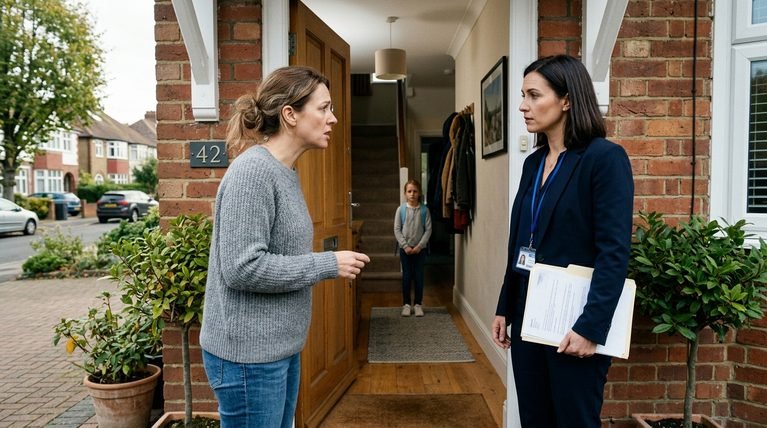
I contacted the principal.
His response was surprisingly dismissive.
He said he had spoken with the teacher.
“She has been teaching for 17 years. She knows how to handle children.”
I explained everything Lily had told me.
He said:
“Children sometimes misunderstand adult comments.”
I asked whether he had spoken to other students.
He said no.
That answer bothered me.
So I started documenting everything.
Every morning Lily complained.
Every incident she described.
Every email.
Every conversation with the school.
I also asked Lily to tell me what happened after school without suggesting answers.
I didn’t want to accidentally influence her.
A week later, another parent contacted me.
She said her son had mentioned that Lily was “always getting picked on” by the teacher.
Then another parent said her daughter had noticed it too.
I asked whether they would be willing to speak with the school.
They were hesitant.
Nobody wanted to become “the difficult parent.”
That phrase bothered me.
So I requested another meeting with the principal.
This time, I brought my documentation.
I asked a simple question:
“What investigation has the school conducted?”
The principal said the teacher denied bullying Lily.
I asked:
“So that’s the investigation?”
He became defensive.
He said the school couldn’t discipline a teacher based on allegations from an eight-year-old.
I agreed.
“Then interview the other children.”
He refused.
He said that wasn’t necessary.
I left his office and contacted the district.
Within a week, someone from the district’s student services department contacted me.
They interviewed me.
Then Lily.
Then several other parents.
Then, apparently, students in the classroom.
The truth came out.
Lily wasn’t the only child.
Mrs. Carter had a pattern.
She regularly singled out certain students.
She gave them humiliating nicknames.
She made sarcastic comments about their grades.
She sometimes made students stand beside their desks while explaining to the class why they had “failed to meet expectations.”
One child had started pretending to be sick to avoid school.
Another had asked their parents whether they could transfer.
The administration had received complaints before.
They had simply treated each one as an isolated issue.
Then the district found something even more serious.
There were emails from the principal telling staff to “avoid escalating parent concerns” about Mrs. Carter because she was “a valuable and experienced teacher.”
That sentence changed everything.
The school hadn’t been unaware.
They had been protecting her reputation.
The district placed the teacher on administrative leave while they investigated.
The principal was also removed from handling the matter.
Within a few months, Mrs. Carter was no longer teaching at the school.
The principal transferred to another administrative position in the district.
The school also implemented a new reporting procedure for student complaints.
But the part that mattered most to me wasn’t what happened to the adults.
It was what happened to Lily.
She transferred to another classroom.
Her new teacher was completely different.
On the first day, Lily came home smiling.
She said:
“Mom, my teacher told me I was good at reading.”
I almost cried.
Something as simple as a teacher complimenting her felt enormous after everything we’d been through.
Over the next few months, the stomachaches stopped.
She started sleeping normally.
Her grades improved.
She joined an after-school art club.
One afternoon, she came home with a drawing.
It was a picture of herself standing in front of a classroom.
Above her, she had drawn a speech bubble:
“I can make mistakes and still be smart.”
I put it on the refrigerator.
It’s still there.
I’ve thought a lot about what I could have done differently.
Maybe I should have trusted her sooner.
Maybe I should have contacted the school the first time she said her teacher wasn’t nice.
But I also understand why parents hesitate.
We want to believe teachers are helping our children.
We want to believe schools will protect them.
And we don’t want to teach our children that every uncomfortable experience is abuse.
But there’s a difference between a teacher correcting a child and a teacher repeatedly humiliating one.
There’s a difference between discipline and making a child afraid to walk into a classroom.
And when a child starts physically shaking at the thought of going to school, that’s not something to dismiss as being “too sensitive.”
Lily didn’t need me to fight every battle for her.
She needed me to believe her when something was seriously wrong.
The school eventually apologized.
The district admitted that earlier complaints should have been investigated more thoroughly.
But I don’t think an apology fixes everything.
My daughter still remembers that classroom.
She still gets nervous when an adult raises their voice.
But now she knows something else too.
If someone in a position of authority makes her feel small, she can tell me.
And I will listen.
Because children shouldn’t have to prove they’re being hurt before adults decide they’re worth protecting.